
Inflation is shrinking purchasing power despite stable jobs. Explore why salary growth is critical for India’s middle class. Read more.
Published Date: 11/01/2026
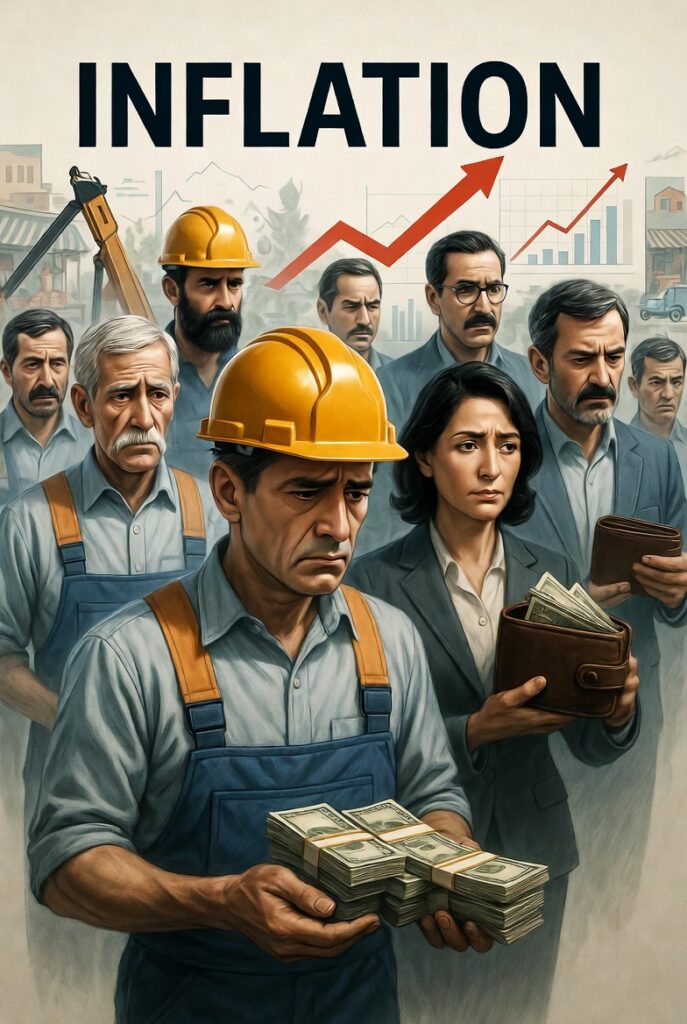
Inflation is not just an economic term discussed on news panels—it’s something every household feels at the grocery counter, the fuel station, and the school fee office. It quietly chips away at the value of money, making yesterday’s comfortable salary feel insufficient today.
When prices of goods and services rise year after year but salaries remain stagnant, people don’t just lose money—they lose choices. Choices about savings, education, healthcare, and even simple joys of life. This is why salary growth aligned with inflation is no longer optional; it is essential for maintaining dignity, stability, and economic balance.
In India, where inflation projections for 2025 hover around 4–5%, the pressure is already visible. Essential goods—food, housing, fuel, education, and medical care—have experienced sharper spikes. When income growth fails to match this reality, the middle class absorbs the shock. And since the middle class drives consumption, their struggle quietly weakens the entire economy.
The Silent Pay Cut Nobody Talks About
Inflation works like an invisible salary deduction.
Imagine earning ₹50,000 per month. With inflation at 4–5%, that salary effectively loses ₹2,000–₹2,500 of purchasing power every year if there’s no increment. You’re doing the same job, putting in the same effort—but affording less.
This is why economists often describe inflation as a hidden tax. It transfers value away from wage earners and toward those who own assets. Without timely salary corrections, workers experience real pay cuts, even when their payslips look unchanged.
Salary increases help preserve purchasing power. They allow families to buy the same basket of essentials, maintain consumption, and keep economic activity moving. Without this adjustment, spending slows, savings shrink, and financial anxiety rises—fueling dissatisfaction and workforce unrest.
The Uneven Reality of Salary Growth in India
On paper, salary increments of 9–10% in 2025 sound encouraging. In reality, this benefit is unevenly distributed.
Many rural and semi-urban workers see nominal wage growth that barely matches inflation—sometimes falling behind it. Even in urban corporate households, fixed expenses such as EMIs, school fees, rent, and healthcare costs have surged faster than incomes.
Globally, the picture isn’t very different. Across many countries, inflation-adjusted middle-class wages have stagnated or declined in recent years. This long-term erosion of purchasing power explains why even employed professionals increasingly feel financially insecure.
Corporate Influence and the Wage Debate
A sensitive but unavoidable part of the discussion is corporate influence on wage policies.
India’s IT giants—such as TCS, Infosys, and Wipro—play a significant role in shaping policy through industry bodies like NASSCOM, economic consultations, and employment data narratives. Critics argue that these firms prefer wage restraint to protect profit margins, often built on cost-efficient labor models.
Historically, the IT sector benefited from flexible labor regulations. This allowed rapid hiring and restructuring, but also limited pressure to standardize wage growth across skill levels.
Labour Codes 2025: Reform or Rebalancing Act?
India’s new Labour Codes, effective November 2025, consolidate 29 laws into four. They aim to simplify compliance and modernize employment practices.
One major change is a unified definition of “wages,” which includes allowances in base pay calculations. This could increase costs for employers, including IT firms. At the same time, provisions like fixed-term contracts, work-from-home flexibility, and equal pay norms are seen as industry-friendly.
However, worker groups argue that some protections have weakened—such as easier layoffs in firms with fewer than 300 employees. While gender pay gaps are acknowledged, minimum wage structures tailored to specialized IT skills remain undefined, potentially keeping entry-level salaries under pressure.
Supporters believe the reforms enable growth in emerging areas like AI and Global Capability Centers (GCCs). Critics see them as a compromise that leans slightly toward corporate priorities.
How Inflation Is Fueling Financial Stress in Corporate India
For corporate employees, inflation isn’t theoretical—it’s personal.
Over the past few years, consumer price inflation averaging 5–7% has raised everyday costs sharply. Salaries for top performers may grow at 8–10%, but many employees see far less. The gap creates a cycle of stress, debt, and reduced savings.
- Food costs have surged due to climate disruptions and global commodity fluctuations.
- Housing rents in cities like Hyderabad and Delhi have jumped 20–30% post-pandemic.
- Fuel prices make commuting and vehicle ownership increasingly expensive.
- Healthcare and education costs rise faster than inflation, draining savings during emergencies.
The middle class feels this most acutely—earning too much for subsidies, yet not enough to absorb repeated financial shocks. Over time, this pressure affects mental health, productivity, and job satisfaction, leading to burnout and higher attrition.
Individual Coping vs Systemic Solutions
Individuals can take steps—budgeting smarter, investing in inflation-beating assets, or upskilling for higher-paying roles. These help, but they are not enough.
Long-term stability requires systemic action:
- Efficient supply chains
- Agricultural reforms
- Balanced fiscal policies
- Wage frameworks that reflect real living costs
Monetary tools like interest rate hikes can control inflation but often slow growth, indirectly affecting bonuses and promotions. Striking the right balance is crucial.
A Call for Change
India’s economy may look strong in reports, but the lived experience tells a more complex story. Rising stress levels, declining savings, and increased migration among skilled professionals signal deeper issues.
True economic progress must value people as much as profits. Policymakers, corporations, and worker representatives need inclusive, data-driven dialogue that prioritizes long-term stability over short-term margins.
Until then, millions of employees will continue navigating inflation with resilience—hoping policy eventually catches up with reality.
The Mantras Take
Inflation is not the enemy—inaction is. Prices will rise, economies will evolve, and markets will fluctuate. But when salaries remain frozen in a moving world, imbalance becomes inevitable. Fair wage growth is not charity; it is economic maintenance. A nation that protects purchasing power protects productivity, dignity, and social harmony. Sustainable growth is built not just on corporate profits or GDP charts, but on households that can live, save, and dream without constant financial fear.